
In the modern business world, digital marketing has become one of the fastest-growing and most exciting career paths. As more businesses shift their focus online, the demand for skilled marketers who understand how to connect with digital audiences is skyrocketing.
Whether you’re a student, a fresh graduate, or someone considering a career change, starting a career in digital marketing offers endless possibilities for growth, creativity, and financial reward.
In this guide, we’ll explore how to kickstart your career in online marketing, what skills you need, and the steps you should take to build a successful future in this dynamic industry.

Digital marketing, also known as online marketing or internet marketing, is the process of promoting products or services using digital channels such as websites, social media, search engines, and email. It has become the backbone of modern business growth, allowing brands to reach global audiences more effectively than traditional advertising.
With the rise of web marketing and online advertising, businesses of all sizes—from startups to global corporations—are hiring marketers who can help them build their online presence, engage customers, and drive sales.
But how do you get started in this fast-paced industry? The good news is you don’t need a degree in marketing to begin. With the right skills, training, and mindset, anyone can start a rewarding career in digital media marketing.

1. Understand What Digital Marketing Is
Before diving into the field, it’s essential to understand the main components of digital marketing. Some of the most common areas include:
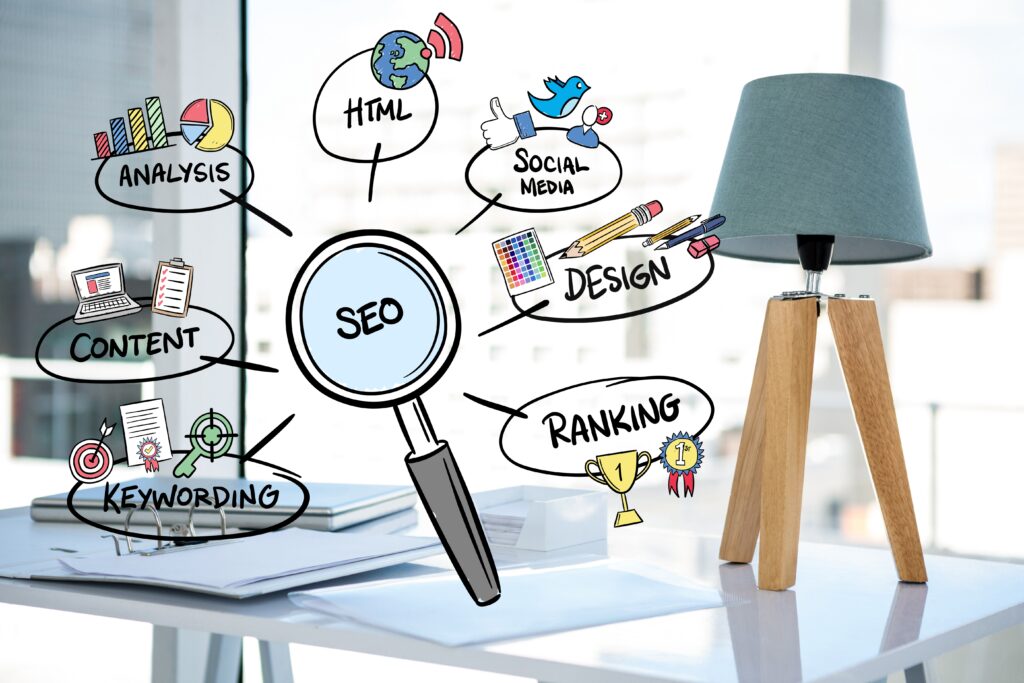
- Search Engine Optimization (SEO): Optimizing websites to rank higher on Google.
- Content Marketing: Creating valuable content (blogs, videos, etc.) to attract an audience.
- Social Media Marketing (SMM): Promoting brands through platforms like Instagram, Facebook, and LinkedIn.
- Pay-Per-Click (PPC) Advertising: Running paid ads on platforms like Google Ads and Facebook Ads.
- Email Marketing: Sending targeted emails to nurture leads and build relationships.
- Affiliate Marketing: Partnering with other businesses to promote products and earn commissions.
- Analytics & Data Marketing: Measuring marketing efforts using tools like Google Analytics.
By learning about these areas, you can start to discover which part of growth marketing interests you the most.
2. Develop Essential Skills
Success in digital marketing requires both technical skills and soft skills. Here’s a breakdown of what you need:
Technical Skills:
- SEO and SEM (Search Engine Marketing)
- Social media platform management (Facebook, Instagram, LinkedIn, TikTok)
- Google Ads and Facebook Ads
- Data analytics (Google Analytics, HubSpot, Semrush)
- Email marketing platforms (Mailchimp, ConvertKit)
- Basic graphic design (Canva, Adobe tools)
Soft Skills:
- Creativity for content creation
- Analytical thinking to interpret data
- Communication for writing and storytelling
- Adaptability to keep up with changing platforms and trends
Start developing these skills through free resources, online tutorials, and certifications.

4. Start Practicing on Real Projects
While learning theory is important, nothing beats practical experience. You can start by:
- Starting a Blog or Website: Practice SEO, content creation, and Google Analytics on your site.
- Running Social Media Accounts: Grow a personal or themed Instagram or Facebook page to learn audience engagement.
- Freelancing: Offer services on platforms like Fiverr or Upwork to get real-world experience.
- Helping Local Businesses: Volunteer to manage online ads or social media accounts for small businesses or nonprofits in your community.
Practical experience will give you real-world examples to showcase in your resume or portfolio.

5. Build a Strong Online Presence
If you want to work in web marketing, you need to market yourself first. Building your personal brand online is key to standing out.
How to Build Your Online Presence:
- Create a LinkedIn profile highlighting your marketing skills and certifications.
- Share marketing insights or case studies you’ve worked on.
- Build a personal website or portfolio to showcase your work.
- Engage in online marketing communities and forums.
Demonstrating your expertise online will help attract job opportunities and freelance clients.

6. Apply for Entry-Level Positions or Internships
Once you’ve developed basic skills and built some practical experience, start applying for entry-level jobs, internships, or freelance gigs.
Entry-Level Job Titles to Look For:
- Digital Marketing Assistant
- Social Media Coordinator
- SEO Analyst
- PPC Associate
- Content Marketing Intern
- Marketing Coordinator
Many companies prefer hiring someone who shows initiative, passion, and a willingness to learn—even over formal qualifications.

7. Stay Updated with Industry Trends
The world of digital media marketing evolves rapidly. Algorithms change, platforms update, and new technologies emerge. To stay ahead, follow industry blogs, podcasts, and newsletters.
Recommended Resources:
- Moz Blog (SEO)
- Social Media Examiner (SMM)
- MarketingProfs
- HubSpot Blog
By staying informed, you’ll not only sharpen your skills but also become more valuable to potential employers or clients.
Starting a career in digital marketing is one of the smartest choices you can make in 2025. The demand for talented marketers continues to grow as businesses rely more on online advertising and growth marketing to stay competitive. With dedication, continuous learning, and practical experience, you can go from complete beginner to a respected marketer in a relatively short time. Remember: start small, stay consistent, and never stop improving. Your future in digital marketing is what you make of it—and the opportunities are endless.